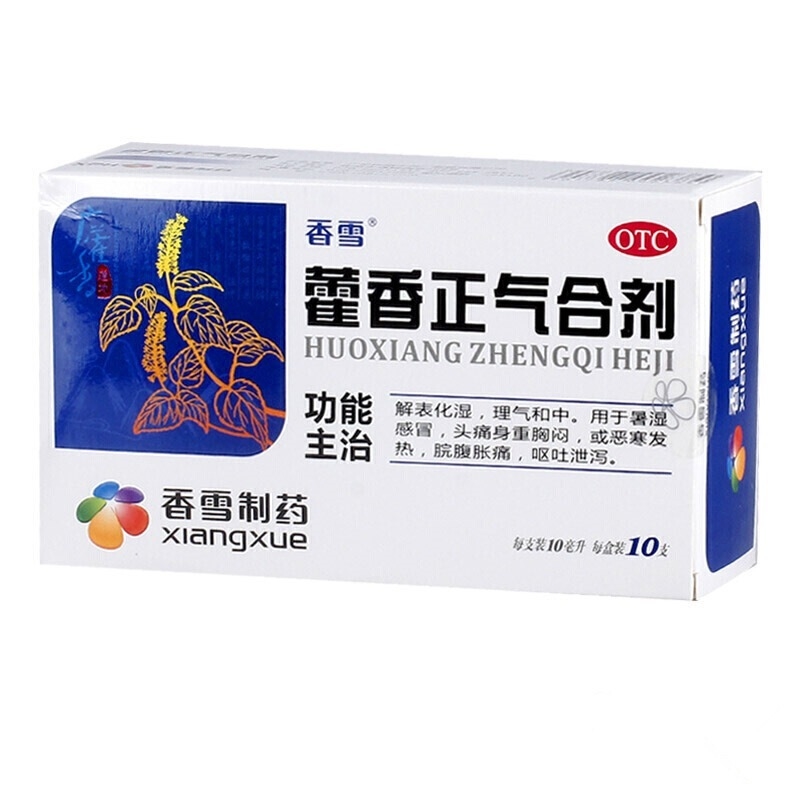
Indications of Huoxiang Zhengqi Mixture (Xiangxue)
Huoxiang Zhengqi Mixture, a classic formula in traditional Chinese medicine (TCM), is primarily used to resolve dampness, regulate qi, and harmonize the stomach. Clinically, it targets disorders caused by internal dampness combined with external pathogenic factors or gastrointestinal disharmony. The following integrates TCM syndrome differentiation with modern clinical applications:
Manifestations: Epigastric fullness, nausea, vomiting, diarrhea, abdominal pain, loss of appetite, and a sticky sensation in the mouth.
Specific Conditions:
Acute Gastroenteritis: Triggered by cold, greasy diet, or bacterial infection (e.g., E. coli), especially with watery stools, vomiting, and abdominal distension.
Food Poisoning (Mild to Moderate): Nausea and diarrhea due to ingesting unclean or cold foods (TCM pattern: "dampness-toxin" invading the spleen-stomach).
Functional Dyspepsia: Postprandial fullness, belching, and poor appetite without organic lesions, associated with dampness obstructing the middle burner.
Adults: 10–15 mL per dose, 2–3 times daily; shake well before use.
Children: 5–10 mL per dose, adjusted by age (consult a TCM practitioner).
Route: Oral administration; may be diluted with warm water to reduce bitterness.
Contraindications:
Hypersensitivity to ingredients; severe vomiting or diarrhea leading to dehydration (requires intravenous rehydration); pregnant women (use with caution due to magnolia and pinellia).
Precautions:
Avoid 生冷 (raw, cold), 油腻 (greasy) foods during treatment; discontinue if symptoms worsen after 3 days; not recommended for high fever (>38.5°C) or bloody diarrhea (seek medical attention).
Clinical Evidence and Limitations
Supporting Research:
Randomized trials show Huoxiang Zhengqi Mixture reduces vomiting frequency and diarrhea duration in acute gastroenteritis compared to placebo.
In motion sickness, it improves nausea scores similar to dimenhydrinate in some studies, though evidence is moderate.
Limitations:
Most trials are small-scale and conducted in China; mechanistic studies lack clarity on specific active components; international guidelines rarely reference it for gastrointestinal disorders.
Drug Interactions:
May interact with antiemetics (additive effects); avoid alcohol (increases gastric irritation and conflicts with TCM principles).
Note: Huoxiang Zhengqi Mixture targets dampness-related disorders in TCM theory. For severe infections, dehydration, or chronic gastrointestinal diseases, it should supplement, not replace, conventional medicine. Always consult a healthcare provider for accurate diagnosis and comprehensive treatment.